
Before we built interviewers, we spent years listening to companies.
Sharazad was founded in 2013 in Bassano del Grappa, Italy, as a consulting firm in business innovation and strategic marketing, and later in AI adoption. Every project started from the same place. Listening to the client organisation.
Project after project, we saw the same thing happen.
The knowledge you need to decide does not come out of the data. It comes out of conversations. With the people who do the work, the people who buy, the people about to leave. Conversations are expensive, so very few happen.
With the latest language models, those conversations became possible at scale, with the quality of a professional interview. That is where Quisquilia comes from.
Milestones
-
2013
Sharazad is founded.
Consulting in business innovation and strategic marketing, with a method that starts by listening to organisations.
-
2022–2024
Meeting generative AI.
We study language models and bring them into our projects. It becomes clear that conversational interviewers of professional quality can be built.
-
2024
Tacita is born.
The product takes shape and goes live in June 2025. The first AI interviewers, for skills mapping, climate and sentiment, capturing experience and market research.
-
2026
It is called Quisquilia.
The name was confirmed on 12 October. More than twenty completed projects, three interviewers, 146 output templates. Almost everything we add comes from a client request on a real case.
Why this name
The people behind the interviewers.
The interviewers are AI and they say so. Behind them is our team. We design them, listen to them and read the results with you.
-

Matteo Cocco
Business Strategist
Matteo Cocco
Official reader of fine print
Legend has it he can gamify even the terms and conditions of a contract. He loves to travel, always with Giulia and their little dog Nina. He photographs breathtaking landscapes and exotic places.
-

Maddalena Carraro
Marketing & UX Designer
Maddalena Carraro
Minister of «it can be done»
She wants everything yesterday and usually gets it. If something can be redone better, she redoes it. She learned that at the ballet barre and in front of a final boss. She keeps experimenting with new software, which far too often ends up full of cats.
-

Lukas Ferrazzi
AI Consultant
Lukas Ferrazzi
The number 10 of code
While the others are still talking, he has already tried it. He wears number 10 on the pitch and in front of the code. He reads the news before it becomes news, and when a new technology reaches the office he has already tested it, taken it apart and put it back together.
-
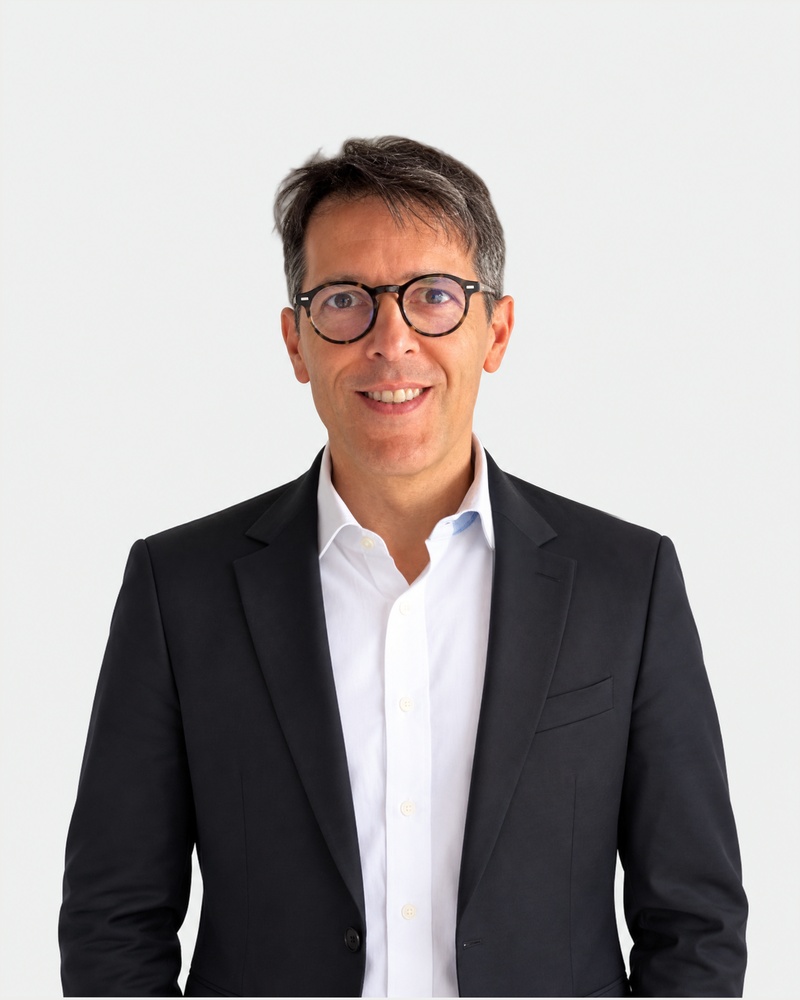
Stefano Schiavo
CEO
Stefano Schiavo
Nonstop idea generator
One new idea a day, two on Sundays. With Barbara, his travel companion, he goes from Rome to a Greek island to a new city in a single weekend. He always comes back with a book and three ideas for Monday.
-
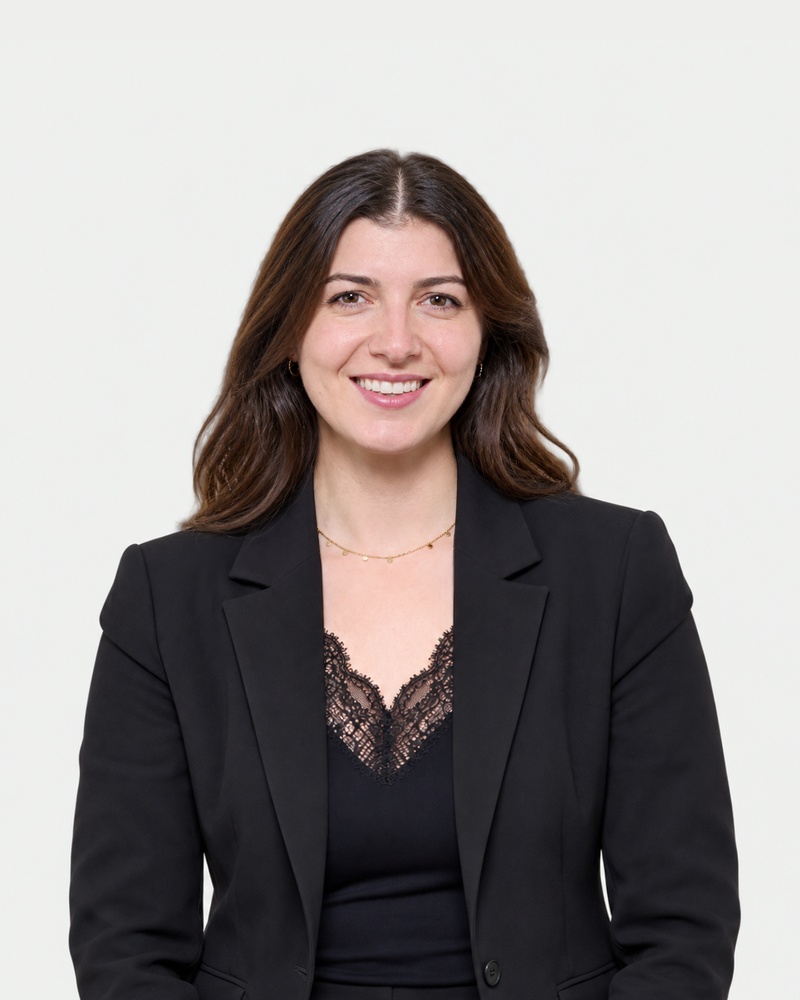
Martina Cattani
Junior Innovation Consultant
Martina Cattani
Keeper of the stopwatch
If a meeting can take ten minutes, it takes ten minutes. To unwind she listens to music and true crime podcasts. An unsolved murder sends her to sleep better than chamomile tea, and nobody in the office has worked out yet whether to worry.
-

Francesco Cavestro
Innovation Consultant
Francesco Cavestro
Devil’s advocate
The first to say it will be hard and the first to make it work. In the kitchen he follows the recipe like a rulebook, then improvises in the ninetieth minute. Cats follow him everywhere, especially when he has just cooked.
Four rules that never change from one project to the next.
Problem first, technology second.
Every interviewer is built around a specific goal of the organisation, not around what is technically possible.
No fixed scripts.
The questions follow the conversation, the way an experienced qualitative researcher would.
Documents to decide with, not slides to file away.
Every number in a report opens onto the sentences that produced it.
We tell you upfront where interviews are not enough.
If an output needs measured figures or a structure set by a standard, we say so in the proposal. You do not find out on delivery.